
 At last we have a start date for our Climate-friendly market stall. It will be on Saturday, 24th April on the Market Square in Leek and we’ll be there on a quarterly basis on the fourth Saturday of April, July, October and January. So do come and visit us, take away some samples of green manure seeds and also peat-free composts, so that you can take part in our Peat-free Challenge. [see also our Peat-free Growers FB page]. You can choose some seedlings from those that our green-fingered members are supplying, which of course will all be grown in peat-free composts and without a trace of insecticide (neonicotinoid or otherwise). Those plants will be really good for people wanting to encourage insects, especially wild bees (read Maggie’s’ article about them), which expect very high standards.
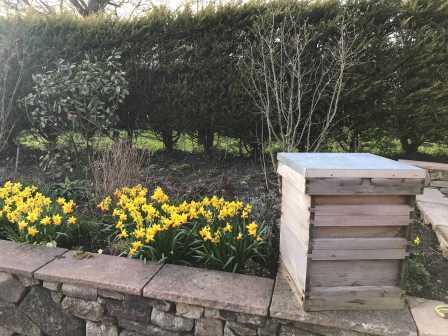 We have a wild beehive in our garden. It provides a home and we don’t take their honey. Bees have evolved to take care of themselves over thousands of years. When humans realised the potential and health promoting value of their honey, they began to take it. Beekeeping now involves taking honey on a truly industrial scale and I would not want to you see videos of that! It is my belief that one reason why bees are in decline is the over theft of their honey. We know that honey has antibacterial properties, which is one reason we take it! But the bees need their precious resource to fend off disease and to keep them healthy through the winter. Beekeepers replace their honey with a sugar solution, thus lowering their immune system. Beekeepers say ‘We leave them with enough’. But how do we know? The bees know….
So, if you are still with me…. Provide a space and they will come…
We don’t open or enter their hive. We have had the bees for 4 years now. Because we live in a very exposed place, we do cover the hive over the worst of the winter. But mostly that isn’t necessary. And we do one small job twice a year, ie we change the aperture from open to almost closed, to prevent frost getting into the hive. On a warmish winter day the bees will want to come out, and then we reverse it in the summer We are still learning.
Read more: Care about bees? How about having a wild hive for them?
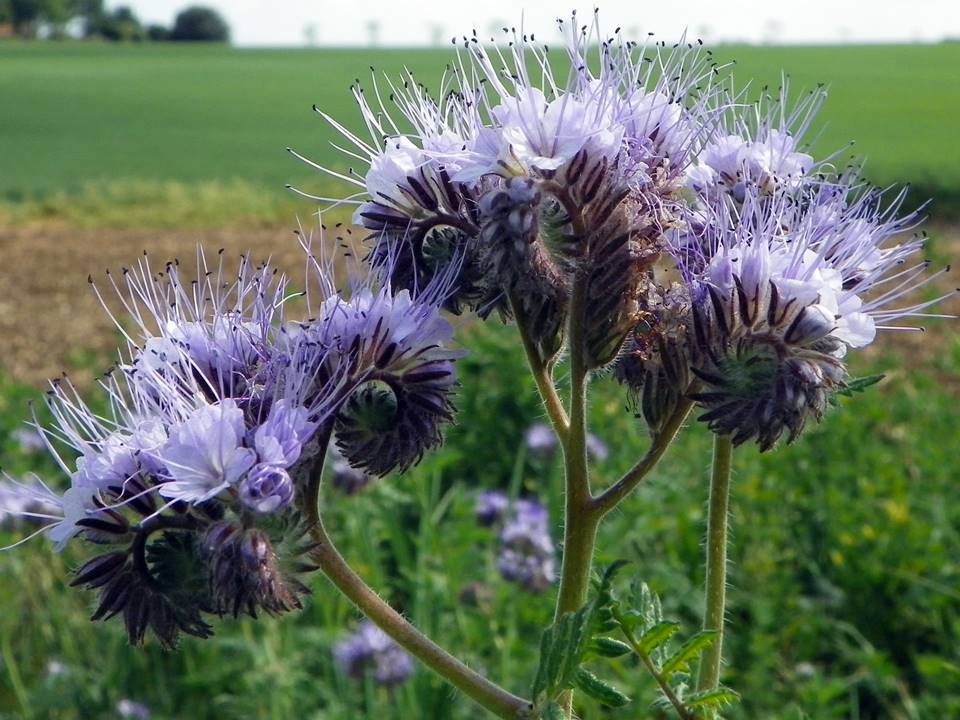 Green manures are plants grown specifically to improve the soil. Their use goes back far beyond the introduction of industrial agriculture, whose practice is dependent on machinery, pesticides and artificial fertilisers. All of these use fossil fuels in their production and also damage the microorganisms that help to keep soil naturally healthy and productive. Green manure plants are described as cover crops when used primarily to protect the soil.

Green manures function in a variety of ways:
• by being deep rooted;
• by covering the soil to prevent leaching of nutrients;
• by fixing nitrogen;
• or by breaking up the soil with fibrous root structures.
In all cases they are then dug or mulched back into the soil, adding organic matter which helps retain moisture and feeds the soil’s beneficial organisms. To dig in, chop up the green manure with a spade and turn it into the top few inches, 10-12 cm or so, of soil.
 As everyone knows, Jack was a poor boy whose mother sent him to market to sell the family cow. Sadly, Jack was very trusting and on the way exchanged the cow for a handful of ‘magic’ beans. When he got home, his mother was VERY cross with him, sent him to bed without his supper and threw the beans out of the window.
BUT, the next day when he went outside there was an ENORMOUS beanstalk growing all the way up to the clouds. When Jack climbed the beanstalk he found a magical castle and inside that a very fearsome giant, going “Fee, fi, fo, fum….” We all know the story. Jack was able to outwit the giant, bring his treasure back to his Mum and they both lived happily ever after.
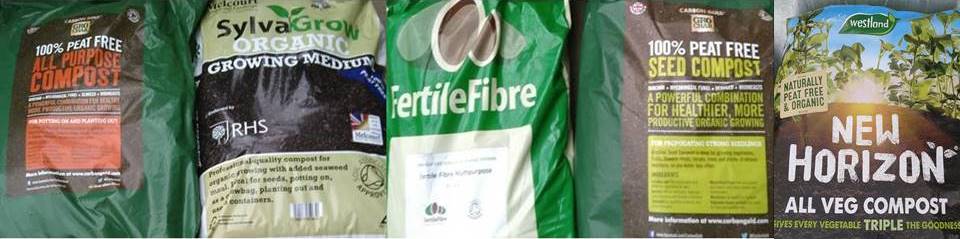 This is a slight adaptation of Hartley Botanics’ peat-free trials, which they ran last year. We’ve adapted it just a little so that you can use whatever seeds you have available to you. We’re not trying to do a scientific trial comparing everyone’s results against each other’s, so it’s not so important that we all use the same seeds.
We may be pleasantly surprised and find that they all work fairly well but if we find some real winners, then MCA Nature group will do our best to persuade our local garden centres and nurseries to stock our favourite ones!
How to take part in the Peat-free Challenge:
Get yourself a pot/tray, whichever peat-free compost(s) you’re testing. Hartley Organics suggest using fast-growing mustard seeds, or other brassicas that are fast, or peas but if you don’t have these available or you’ve got your heart set on growing something else, that’s fine too!
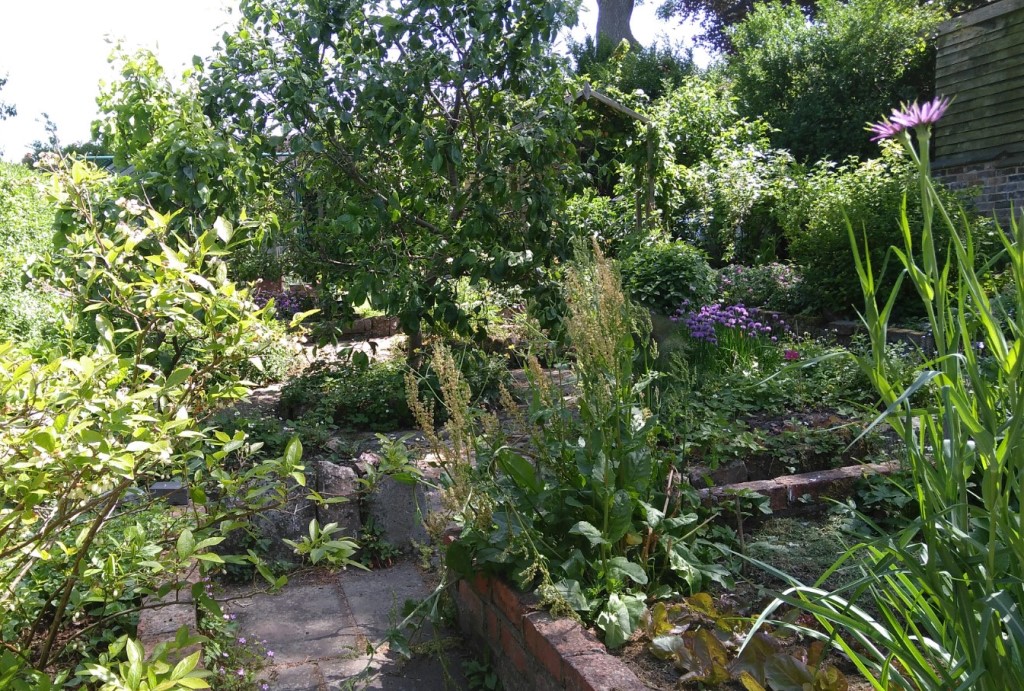 For such a long time the group has only been able to gather virtually but, at least through the winter months, it’s meant that storms, floods and icy roads have not stopped us meeting! So, we’re now ready to run our first market stall at Leek’s Saturday market, to support climate-friendly gardening, once Covid lets us; our questionnaire to local garden centres and nurseries is ready and we’ve set up a peat-free challenge, so that we can share our experiences of different peat-free composts. We’re continuing to build contacts with local conservation organisations, plus the wonderful Gift Garden run in Leek and, of course, send representatives to meetings with local councillors.